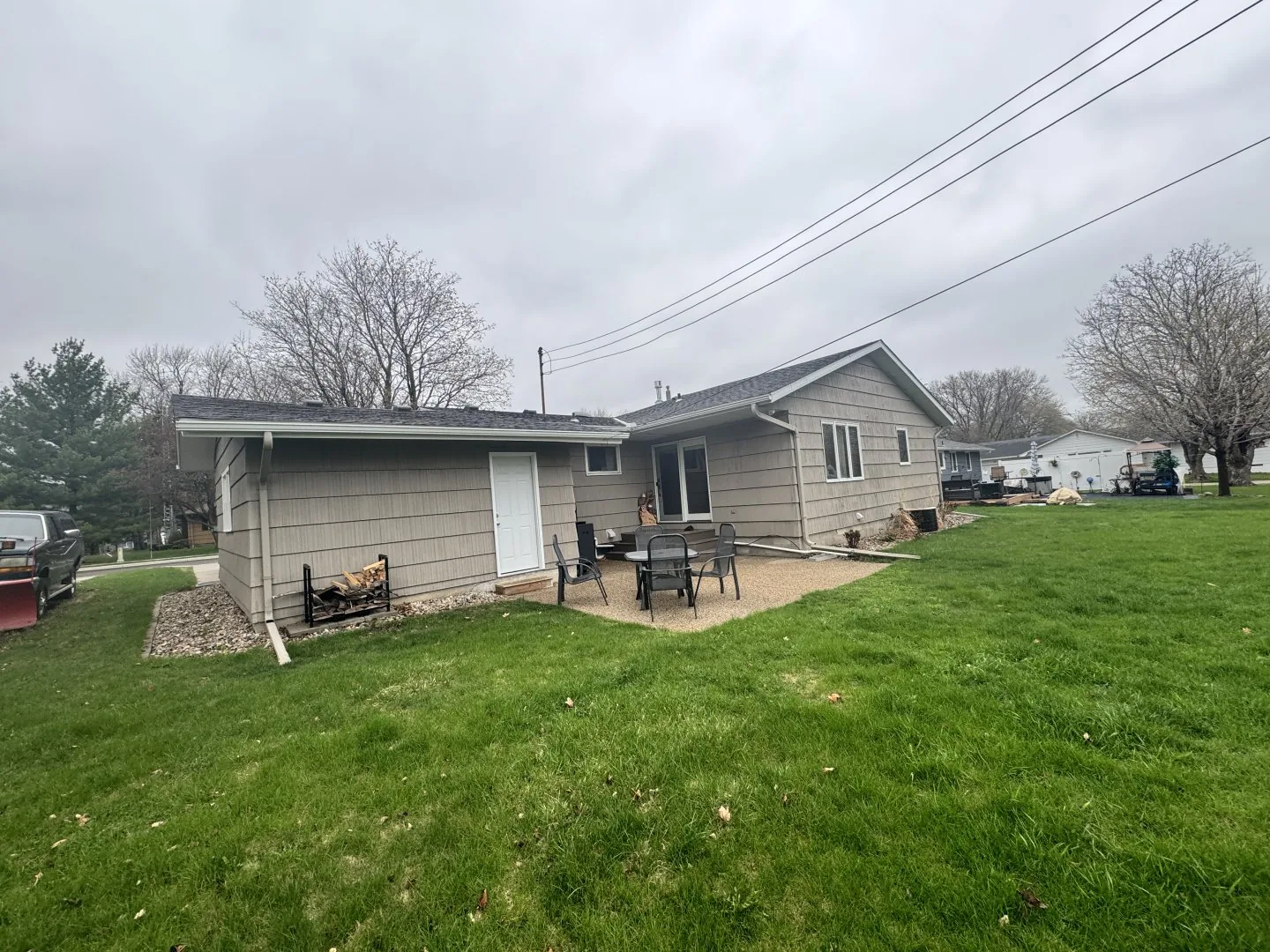
historic limestone home
Faribault grew up around the limestone bluffs where the Straight River runs into the Cannon, and a lot of the town's oldest housing stock shows it. Wa
Faribault grew up around the limestone bluffs where the Straight River runs into the Cannon, and a lot of the town's oldest housing stock shows it. Walk the streets near the historic district and the Faribault Woolen Mill and you will find rugged limestone and brick homes that were built well before 1950, when local stone was cheap, plentiful, and quarried close by. These houses have real character and real longevity, but they also carry a specific set of inspection concerns that a generic checklist will miss. A historic limestone home is not a 1990s rambler with stone veneer glued on. It is solid masonry, lime mortar, stone foundations, and decades of well-meaning updates layered on top of original construction. This page walks through what we actually look at when we inspect one of these homes in Faribault and the surrounding Rice County river valley, so you know what you are buying before you sign.
Limestone walls, lime mortar, and the wrong kind of repair
The single most common problem we document on historic limestone homes is mortar repair done with modern Portland cement instead of soft lime mortar. Limestone is a relatively soft, breathable stone. The original lime mortar was designed to flex slightly and let moisture wick out through the joints. When someone repoints with hard Portland cement, the moisture has nowhere to go but through the stone itself, and over Minnesota's freeze-thaw winters that traps water and spalls the face of the limestone. We look closely at the mortar joints on every elevation, note where hard cement has been used over soft lime, and flag spalling, cracking, and bulging stone. We also check for previous tuckpointing quality, sealants smeared over the stone face, and paint or coatings that block the wall from breathing. None of this means a home is a bad buy, but it changes the maintenance plan and the budget, and you deserve to know going in.
Stone foundations and the river-valley water table
Most pre-1950 homes here sit on rubble or dressed limestone foundations rather than poured concrete. Where the Cannon and Straight rivers meet, the surrounding clay soils hold water and the water table can sit high, so these foundations work hard. We inspect the foundation walls for mortar washout between stones, inward movement or bowing, daylight gaps, and active water entry. We check the grade around the home, downspout discharge, and whether anyone added an interior drain tile or sump pit later. Stone foundations are very often perfectly serviceable a century later, but they leak more readily than poured walls and they cannot simply be patched the way concrete can. We describe what we see plainly and tell you whether it reads as old, stable settlement or something actively moving.
Knob-and-tube, fabric wiring, and electrical updates
A home built before 1950 has almost certainly had its electrical system touched several times, and the quality of that work ranges widely. We look for surviving knob-and-tube wiring, old fabric-insulated branch circuits, ungrounded two-prong outlets, and undersized service panels that were never fully upgraded for modern loads. In limestone homes the wiring is often surface-run or buried in plaster over stone, which makes additions and splices hard to do cleanly. We open the panel, check for double-tapped breakers and amateur splices, test a representative sample of outlets for grounding and polarity, and tell you what looks original versus updated. Insurers in Minnesota frequently ask about knob-and-tube before binding a policy, so identifying it early matters for more than safety.
Heating, plumbing, and clay sewer laterals
Old Faribault homes have lived through coal, oil, and gas heating eras, and we sometimes find abandoned oil tanks, retrofit ductwork shoehorned into stone walls, or original gravity systems converted over time. We evaluate the current heating equipment, venting, and combustion air. On the plumbing side, pre-1950 homes commonly still have galvanized supply lines that corrode shut from the inside, and the buried sewer lateral from the house to the city main is often original clay tile. Clay laterals crack and let in tree roots, especially under mature boulevard trees common in older Faribault neighborhoods. A standard inspection does not put a camera down the sewer line, so we recommend a separate sewer scope on homes this age and tell you why it is worth the small cost before closing.
Roofs, ice dams, and the radon picture
Steep older roofs, deep snow loads, and minimal original attic insulation make ice dams a recurring problem on these homes. We check attic insulation depth and ventilation, look for past ice-dam staining at the eaves, and inspect flashing where roofs meet limestone walls and chimneys, which is a frequent leak point. Masonry chimneys on historic homes also deserve a close look for deteriorated crowns and liners. Finally, radon: Rice County and south-central Minnesota sit in a part of the state with elevated radon potential, and stone foundations and old basements can offer plenty of soil-gas entry points. We point out where a radon mitigation system already exists or where testing is advisable. We never guess at a number, but we make sure radon is on your radar rather than discovered after you move in.
What we watch for
- Portland-cement repointing over soft limestone, plus spalling, bulging, or cracked stone on exterior walls
- Stone foundation mortar washout, bowing, and active water entry in basements near the river valley
- Surviving knob-and-tube or fabric-insulated wiring, ungrounded outlets, and undersized or amateur-modified panels
- Galvanized supply lines that corrode shut and original clay sewer laterals prone to root intrusion
- Ice-dam staining at eaves, thin attic insulation, and poor roof-to-masonry flashing
- Deteriorated masonry chimney crowns, missing liners, and bad chimney flashing
- Abandoned oil tanks and heating systems retrofit awkwardly into solid-stone walls
- Elevated radon potential through stone foundations and older basement floors
- Non-breathable paints, coatings, or sealants trapping moisture in the limestone
Buying or selling a historic limestone home in Faribault? Get an inspector who understands old stone, not a generic checklist. Call us to schedule, or build a free instant quote online in about a minute. We deliver a clear, plain-English report within 24 hours so you can make your decision with confidence. As an InterNACHI Master Inspector, we will walk the whole home with you and explain exactly what we find.
Get Your Instant QuoteMore by type.
See your price in under a minute.
Build your quote and book your Faribault-area inspection online — or call (507) 721-3120.