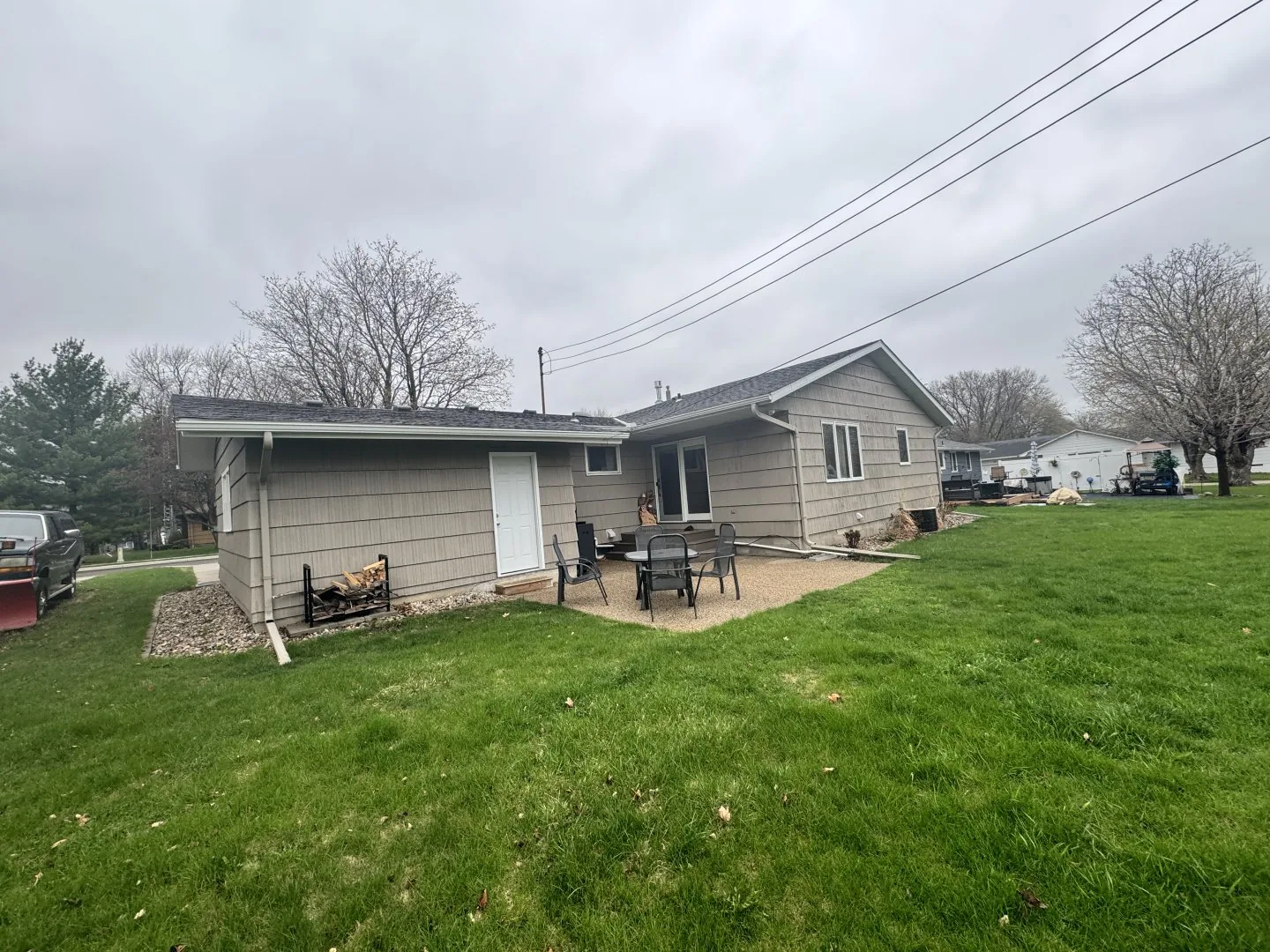
victorian home
Faribault's historic neighborhoods hold some of the finest Victorian-era homes in south-central Minnesota, many built in the decades when the Faribaul
Faribault's historic neighborhoods hold some of the finest Victorian-era homes in south-central Minnesota, many built in the decades when the Faribault Woolen Mill and the railroad turned the town at the meeting of the Cannon and Straight rivers into a regional hub. These houses are beautiful and built to last, but a Queen Anne, Italianate, or Folk Victorian that has stood for 120 years has a layered, complicated story. A modern checklist designed for a 1990s rambler misses what matters in a home like this. We inspect Victorians for what they actually are: deep, plain-English documentation of stone foundations, balloon framing, layered roofs, and generations of wiring and plumbing updates so you can buy with your eyes open. Reports are delivered in 24 hours, never with within about 24 hours promises we can't keep.
Stone and limestone foundations on river-valley clay
Many Faribault Victorians sit on rubble-stone or cut-limestone foundations, often quarried from local stone, and they behave very differently from poured concrete. We look closely at mortar joints, because century-old lime mortar erodes, washes out, and gets patched poorly over time. We check for bowing, displaced stones, and step cracking that signals movement. The river-valley clay soils common around the Cannon and Straight river corridor swell when wet and shrink when dry, putting seasonal pressure on these walls. We document grading, downspout discharge, and any evidence of past water entry, since a damp stone cellar is one of the most common and most misread conditions in an old Faribault home.
Knob-and-tube, fabric wiring, and patchwork electrical updates
A pre-1950 Victorian has almost never kept its original electrical system intact, but it has rarely been fully rewired either. We commonly find active or abandoned knob-and-tube, cloth-insulated branch wiring, ungrounded two-prong outlets, and a fuse panel or undersized service that was never meant to carry today's loads. The danger is the patchwork: a 1920s circuit spliced into a 1970s addition spliced into a recent kitchen remodel. We trace what we can safely access, flag mixed and unsafe connections, note the service capacity, and explain in plain English which findings are routine for the home's age and which ones warrant an electrician before you close.
Roofs, ice dams, and the complications of Victorian rooflines
Victorian architecture means steep pitches, turrets, dormers, valleys, and decorative trim that all create places for water to collect and for ice to build. In a Faribault winter, heat escaping through an under-insulated attic refreezes at the cold eaves and forms ice dams that drive meltwater back up under the shingles. We inspect the roof covering, flashing at every transition, and the attic for insulation gaps, blocked ventilation, and the brown staining that reveals past leaks. On older homes we also look for layered roofing and sagging ridgelines that point to long-term framing or load issues.
Plumbing, clay sewer laterals, and aging supply lines
The supply side of an old Faribault Victorian is often a mix of galvanized steel, copper, and modern updates, and galvanized pipe corrodes from the inside out, quietly choking water pressure. We document the materials we can see and test functional flow. Below ground, homes of this era are frequently served by a clay or cast-iron sewer lateral running to the city main, and clay tile joints are notorious for root intrusion and collapse. We don't perform the dig, but we point out the warning signs and strongly recommend a sewer scope as a separate specialist step, because a failed lateral is one of the costliest surprises an old-home buyer can face.
Radon and the historic stone basement
Rice County sits in a part of Minnesota where elevated radon is common, and the Minnesota Department of Health recommends every home be tested regardless of age. Victorians compound the issue: porous stone foundations, dirt or rubble cellar floors, and natural stack effect through tall, leaky old houses can all pull soil gas indoors. We talk through your radon testing options as a measured, separate service rather than guessing from the basement's appearance, and we note foundation and floor conditions that make mitigation more or less straightforward.
Brick, masonry, and historic-district exteriors
Faribault's brick and stone homes carry real heritage, but masonry needs maintenance the original builders assumed would continue. We examine brick veneer and load-bearing masonry for spalling, cracked or missing mortar, and failed repointing, and we check chimneys for liner condition, deterioration, and separation. Modern repairs done with the wrong, too-hard mortar can actually accelerate damage to soft historic brick, so we note where past work may cause future problems. We also look at porches, decorative wood trim, and original windows for rot and deferred upkeep that's typical of a home this age.
What we watch for
- Stone and limestone foundations: washed-out mortar joints, bowing walls, and seasonal movement on river-valley clay soils
- Knob-and-tube and cloth-insulated wiring, ungrounded outlets, and undersized fuse or service panels
- Steep Victorian rooflines, valleys, and dormers prone to ice dams and flashing leaks in Faribault winters
- Attic insulation gaps and blocked ventilation driving heat loss and ice buildup
- Galvanized supply piping with corroded, restricted water flow
- Clay or cast-iron sewer laterals at risk of root intrusion and collapse (sewer scope recommended)
- Elevated radon potential through porous stone basements and dirt cellar floors
- Spalling brick, failed repointing, and deteriorated chimney liners on historic masonry
- Rot in original porches, decorative trim, and single-pane wood windows
Buying or selling a Victorian in Faribault? Get an inspector who actually understands old stone-foundation homes. Call us to talk through your property, or build a free instant quote online in about a minute. We'll walk the home top to bottom and deliver a clear, photo-documented report within 24 hours, so you know exactly what you're buying before you sign.
Get Your Instant QuoteMore by type.
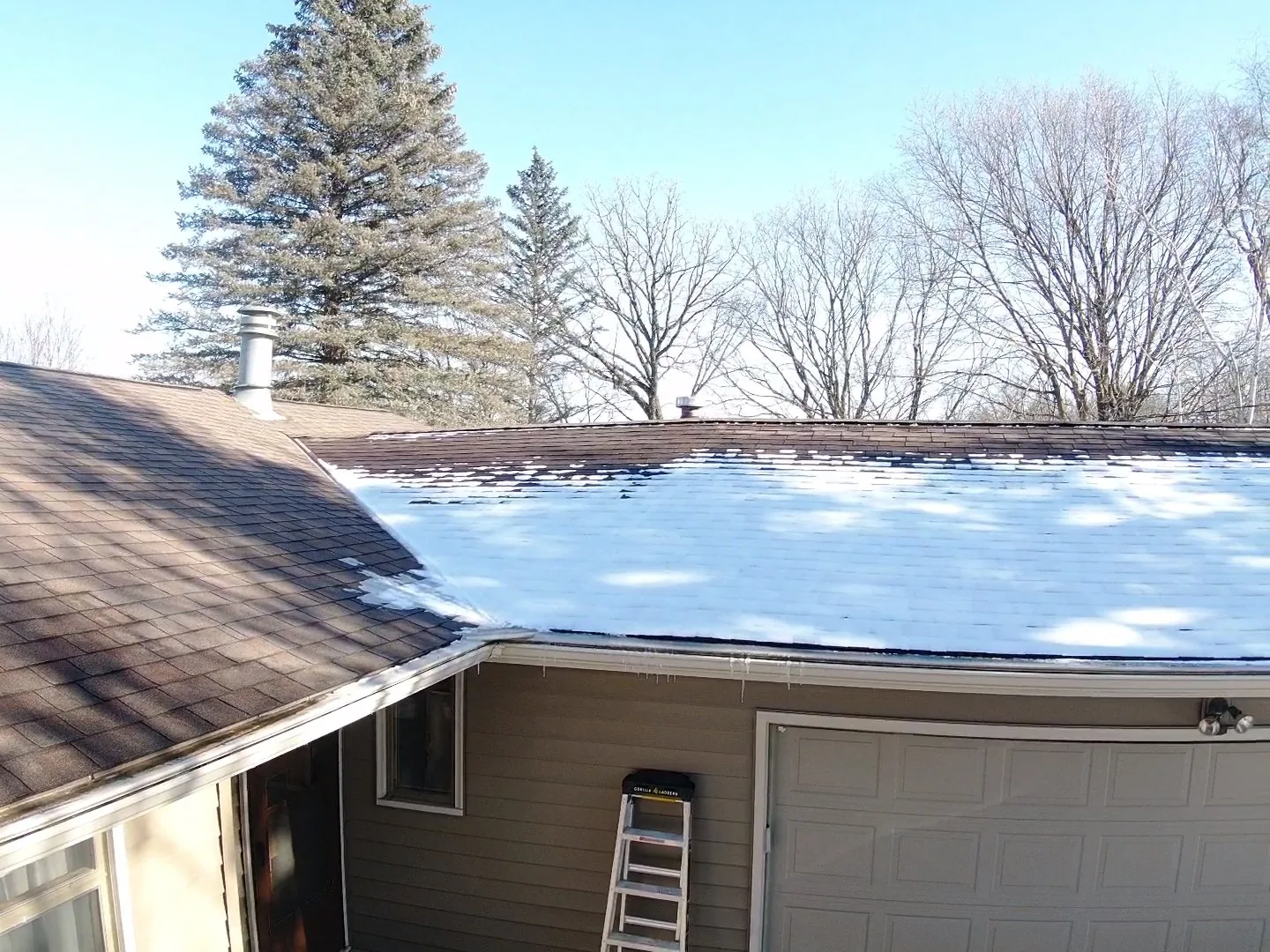
historic limestone home
Faribault grew up around the limestone bluffs where the Straight River
Explore →
brick foursquare
The brick American Foursquare is one of the most recognizable house ty
Explore →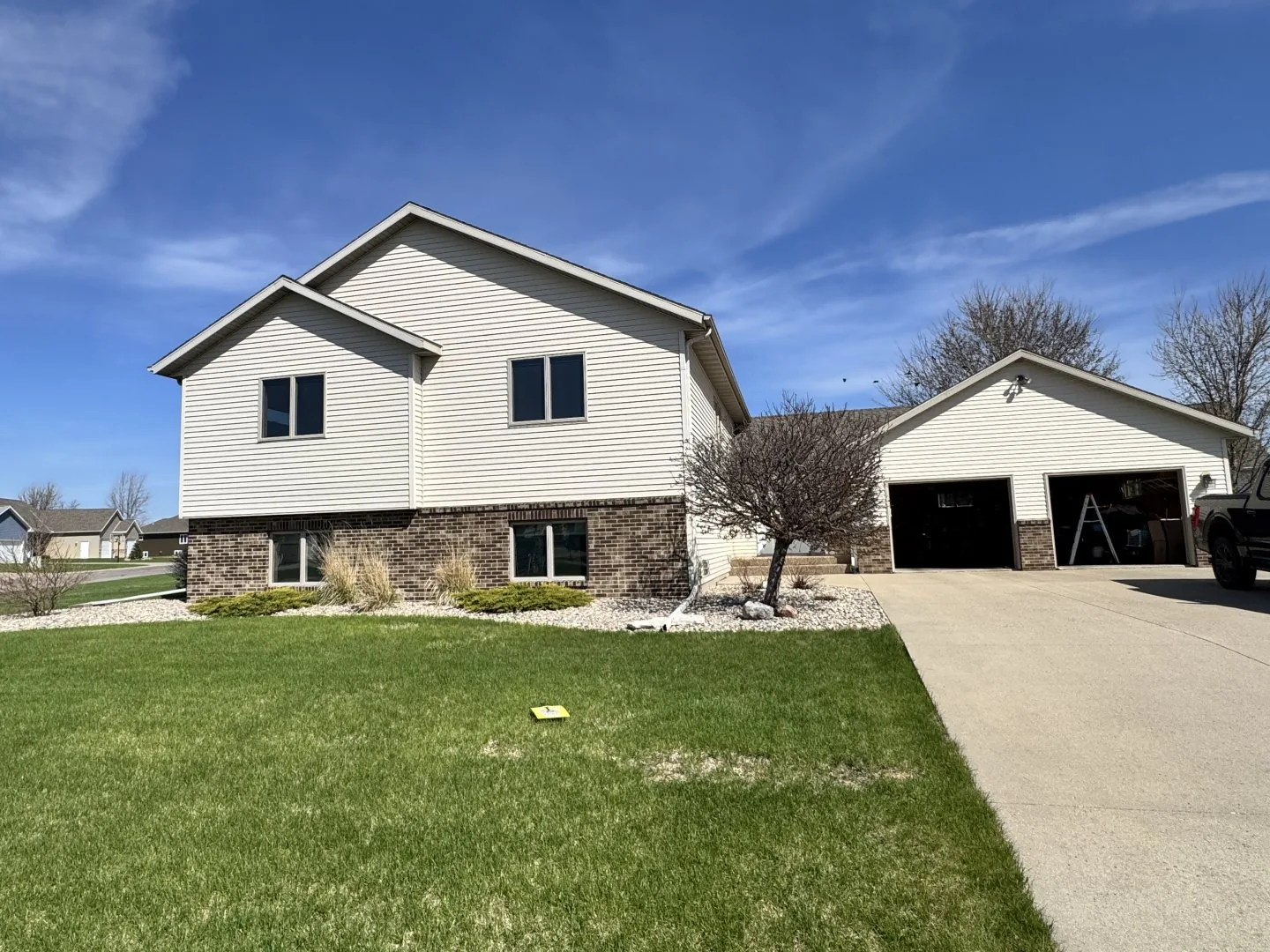
mid century rambler
Faribault's mid-century ramblers, the long single-story homes that wen
Explore →See your price in under a minute.
Build your quote and book your Faribault-area inspection online — or call (507) 721-3120.