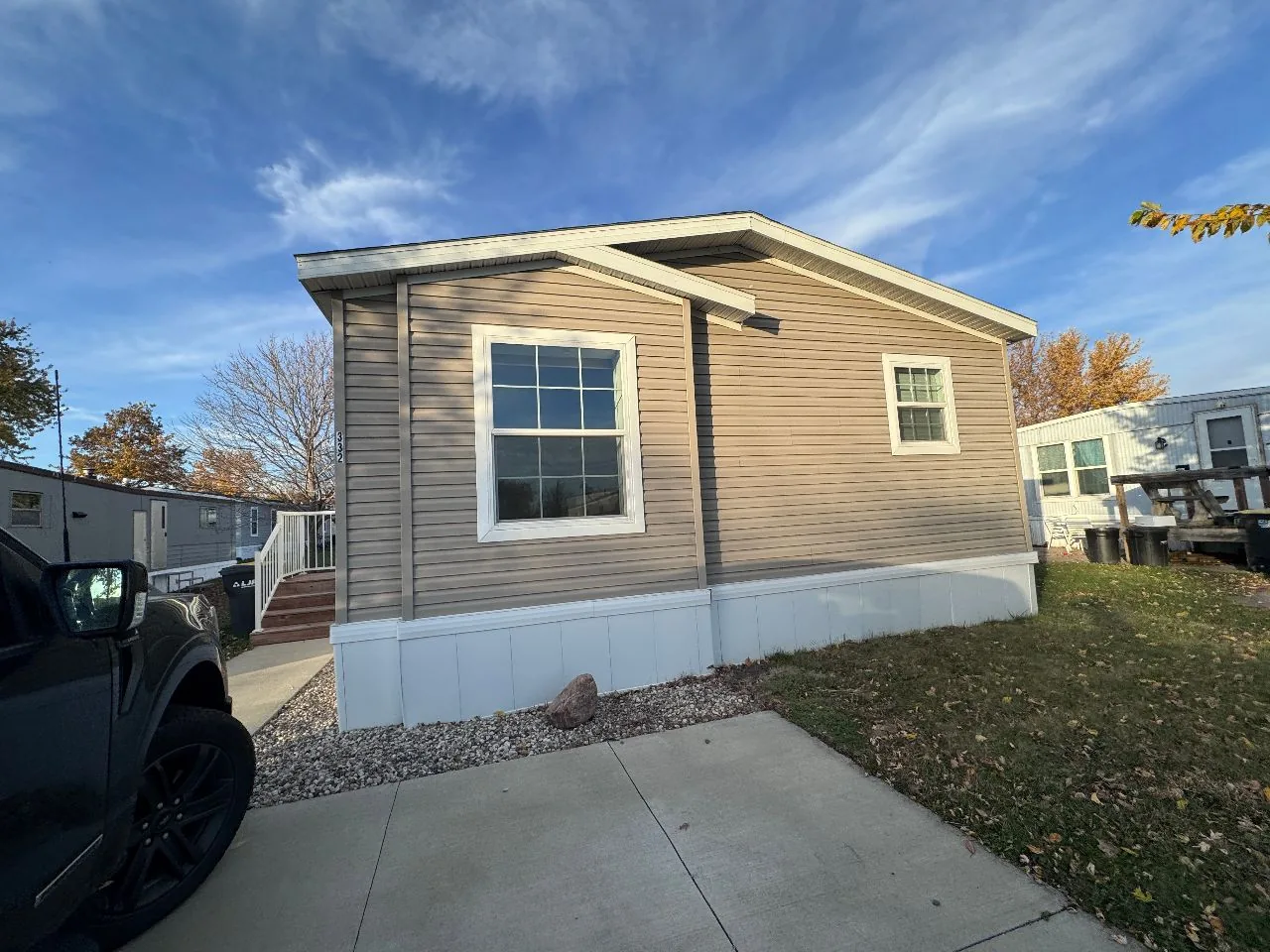
mid century rambler
Faribault's mid-century ramblers, the long single-story homes that went up across the city in the 1950s and 1960s as the postwar suburbs spread east a
Faribault's mid-century ramblers, the long single-story homes that went up across the city in the 1950s and 1960s as the postwar suburbs spread east and south of the older brick-and-limestone neighborhoods downtown, are some of the most livable houses in Rice County. They have main-floor living, generous picture windows, attached garages, and full basements that take advantage of the rolling ground above the Cannon and Straight river valleys. They also come with a predictable set of age-related issues. Most are now sixty to seventy years old, and the original roof, wiring, and plumbing that came with them have usually reached or passed the end of their service life. At Closer Look Home Inspectors we inspect ramblers throughout Faribault and the surrounding towns, and we know where these homes typically need attention. This page walks through what we look at and why, in plain English, so you know what you are buying before you sign.
Low-slope and shallow-pitch roofs over long footprints
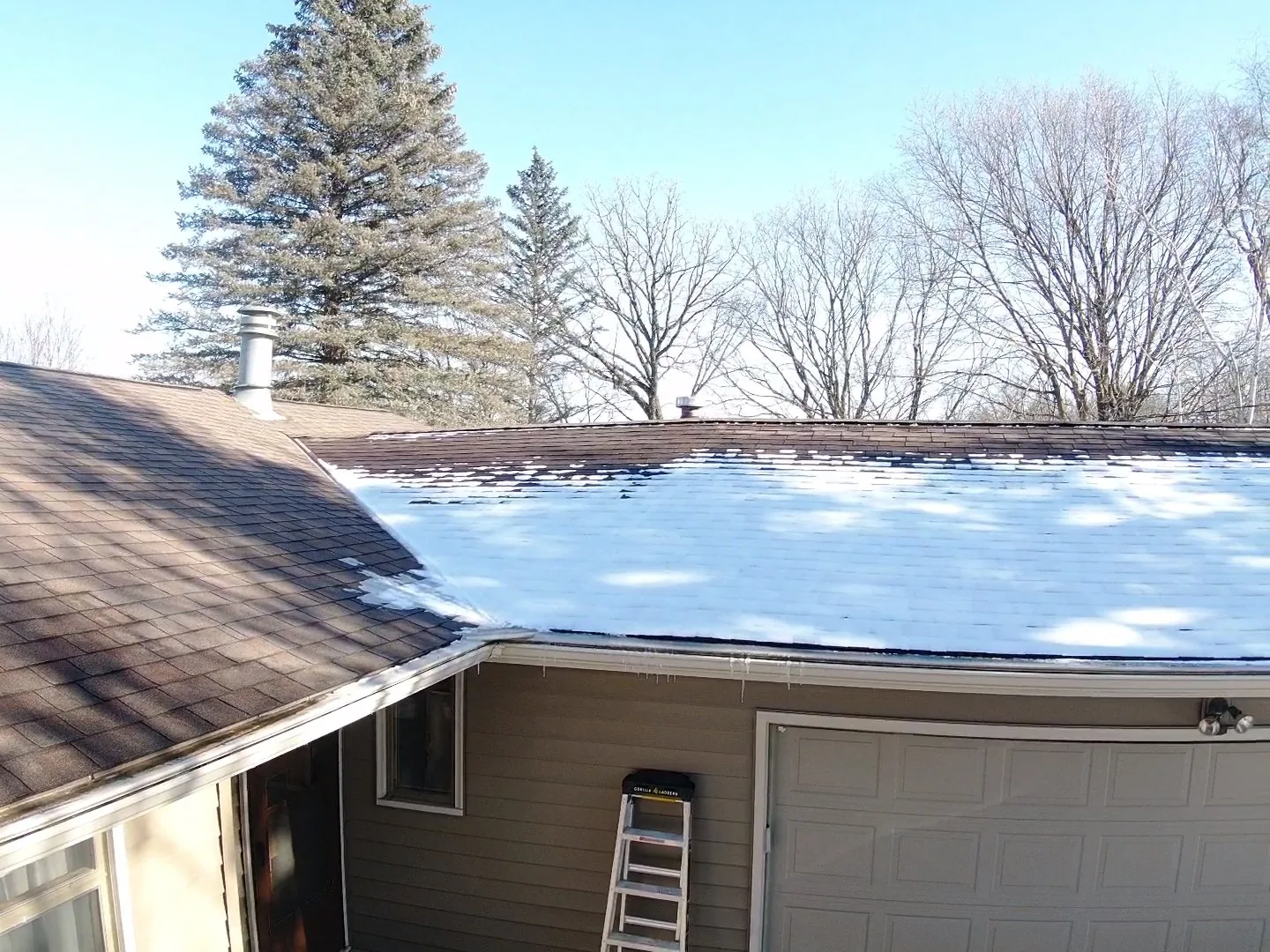
The rambler's biggest strength, that long single-story shape, also creates its most common roofing headaches. Many Faribault ramblers carry shallow-pitch or low-slope roof sections, sometimes with a flat or near-flat porch or carport tie-in. Low-slope roofs shed water more slowly, so flashing details, valley condition, and the age of the shingles matter more than they would on a steep two-story roof. We also see long, uninterrupted eaves that are prone to ice dams during our long south-central Minnesota winters: meltwater backs up under the shingles at the cold overhang and finds its way into the ceilings below. We check shingle age and wear, flashing at chimneys and wall intersections, evidence of past ice-dam staining at exterior walls and ceilings, and whether attic insulation and ventilation are adequate to keep the roof deck cold and even.
Original 1950s and 1960s wiring and panels
A rambler that still has its first electrical system is common, and that system was designed for a 1960 household, not a 2026 one. We look for undersized service, original ungrounded two-prong outlets, and a shortage of circuits for kitchens, laundry, and any finished basement spaces. Some ramblers of this era were wired with aluminum branch circuits or have had decades of well-meaning but unpermitted additions. We open the panel where it is safe to do so, check for the panel brands and conditions that insurers and electricians flag, look for double-tapped breakers and missing grounding, and note where GFCI and AFCI protection is absent at locations that would require it today. None of this means a home is unsafe to buy, but it tells you what an electrician may need to address.
Aging mechanicals: furnace, water heater, and the original ductwork
Ramblers were built for forced-air heat, and the basement furnace is often the heart of the house. We frequently find equipment well past its expected lifespan, mid-efficiency furnaces that have been replaced once or twice, and water heaters near the end of their run. We document the age and condition of the furnace and water heater, check for proper combustion venting (older atmospheric water heaters and furnaces sharing a flue need to draft correctly), and look at the distribution: long horizontal duct runs under a slab or in a crawl area can sweat, rust, or leak. Because many of these homes pre-date modern attic sealing, we also pay attention to whether the heating system is fighting heat loss it shouldn't have to.
Plumbing supply and clay sewer laterals
The supply plumbing in a Faribault rambler may be a mix of original galvanized steel, copper, and newer repairs. Galvanized lines corrode from the inside and restrict flow over the decades, so we run fixtures, check functional flow and drainage, and note material transitions and signs of past leaks. Just as important is what runs out to the street. Homes of this era in Faribault often have clay or other older sewer laterals, and clay pipe is vulnerable to root intrusion and offset joints, especially on the mature, tree-lined blocks where these neighborhoods grew up. A home inspection is visual and does not include scoping the buried line, so on an older rambler we routinely recommend a separate sewer scope before closing so you are not surprised by a buried repair.
Basements, foundations, and river-valley clay soil
Most Faribault ramblers sit on poured concrete or block basement foundations rather than the stone foundations you find under the pre-1950 homes near downtown. That is generally good news, but the soils around the Cannon and Straight river valleys are clay-heavy, and clay expands and contracts with moisture. We look for foundation cracks and movement, signs of past water entry at the base of walls and floor, the condition of any sump pump and drain tile, and grading and gutter discharge that should carry water away from the house. Poor grading and downspouts that dump next to the foundation are the most common, and most fixable, cause of the damp basements we find in these homes.
Radon, the attached garage, and original windows
Radon is a real concern across Rice County and south-central Minnesota, and a full-basement rambler with original slab and floor cracks is exactly the kind of home where levels can run high. We can arrange or recommend radon testing so you know your number; mitigation, if needed, is straightforward. The attached garage is another rambler focus: we check the door between the garage and living space for proper fire separation and self-closing operation, and we look at the garage ceiling and wall separation. Finally, many ramblers still have their original single-pane or early double-pane picture windows and aluminum sliders, which fail seals, fog, and leak air. We note their condition so you can budget realistically.
What we watch for
- Shallow-pitch and low-slope roof sections, flashing, and shingle age over the long rambler footprint
- Ice-dam staining at eaves and ceilings, plus attic insulation and ventilation
- Original 1950s-60s electrical service, ungrounded outlets, and missing GFCI/AFCI protection
- Furnace and water heater age, combustion venting, and long original duct runs
- Galvanized supply lines and aging clay sewer laterals (sewer scope recommended)
- Foundation cracks, basement moisture, and sump/drain tile in clay river-valley soils
- Grading and downspout discharge directing water away from the foundation
- Radon potential in full-basement homes and the option to test before closing
- Attached-garage fire separation and original picture windows and sliders
Buying a mid-century rambler in Faribault? Closer Look Home Inspectors will give you a clear, honest, plain-English report, with your full written report delivered within 24 hours so you can make your decision with confidence. Call us at (507) 721-3120 or build your free instant quote online in under a minute. We inspect ramblers throughout Faribault, Dundas, Northfield, Owatonna, and the rest of Rice County and south-central Minnesota.
Get Your Instant QuoteMore by type.
See your price in under a minute.
Build your quote and book your Faribault-area inspection online — or call (507) 721-3120.